

SENSORY REGULATION REBRANDING FOR THE MADATECH SCIENCE MUSEUM
Project:
Sensory Regulation Rebranding for the Madatech Science Museum
Client:
School of Design, University of Haifa
Year:
2025
My Services:
Motion Graphics
UX/UI
Illustration
Branding
Project:
Sensory Regulation Rebranding for the Madatech Science Museum
Client:
School of Design, University of Haifa
Year:
2025
My Services:
Motion Graphics
UX/UI
Illustration
Branding
This project was developed through visual and textual research that explored the question: How can we improve accessibility in Israeli museums for individuals with sensory regulation disorders? Inspired by this inquiry and an initial review of successful solutions abroad, I chose to conduct a focused case study on the Madatech: Israel National Museum of Science in Haifa, one of the city’s oldest museums, yet not currently adapted for visitors with sensory regulation challenges, both children and adults.
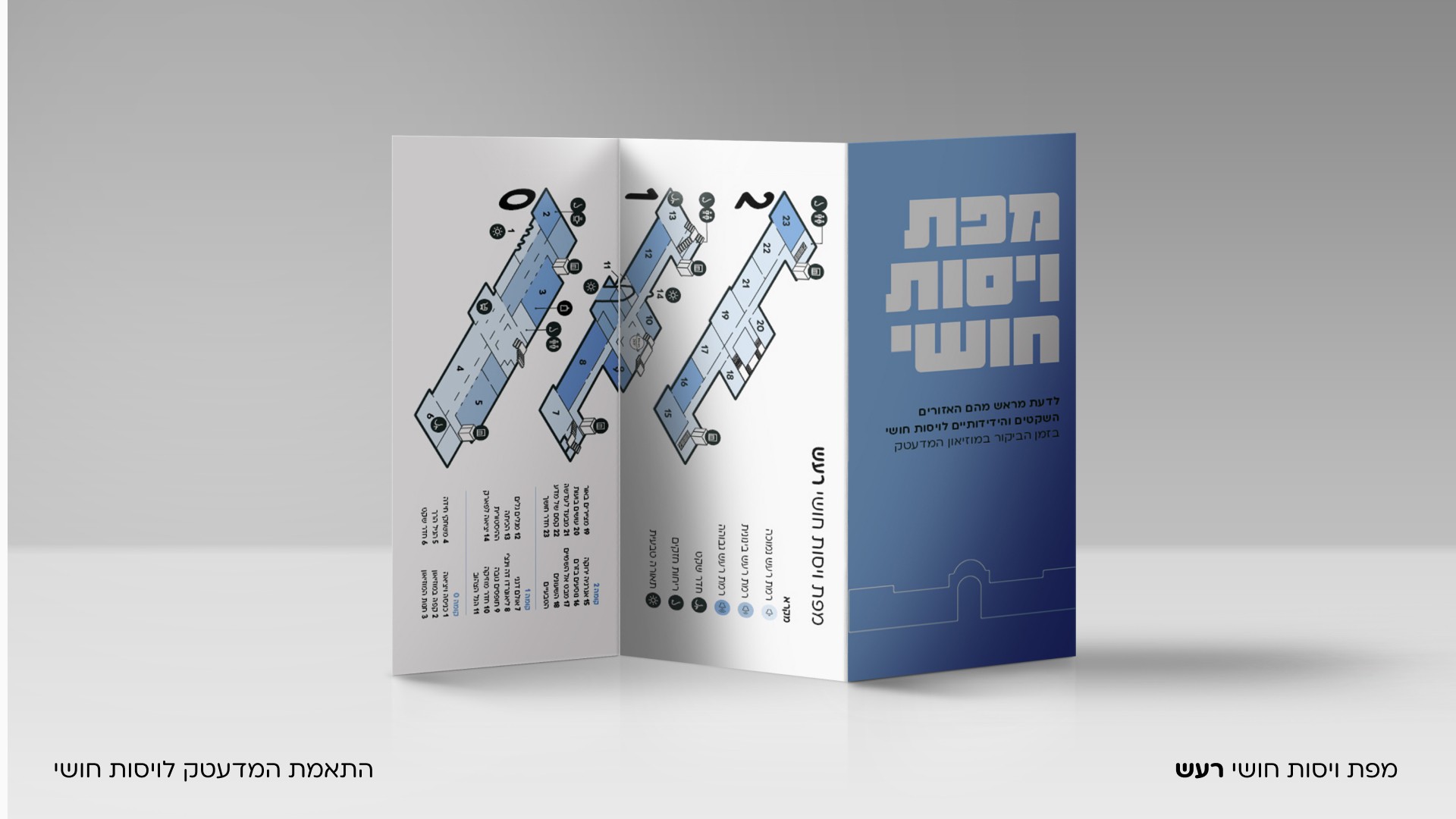
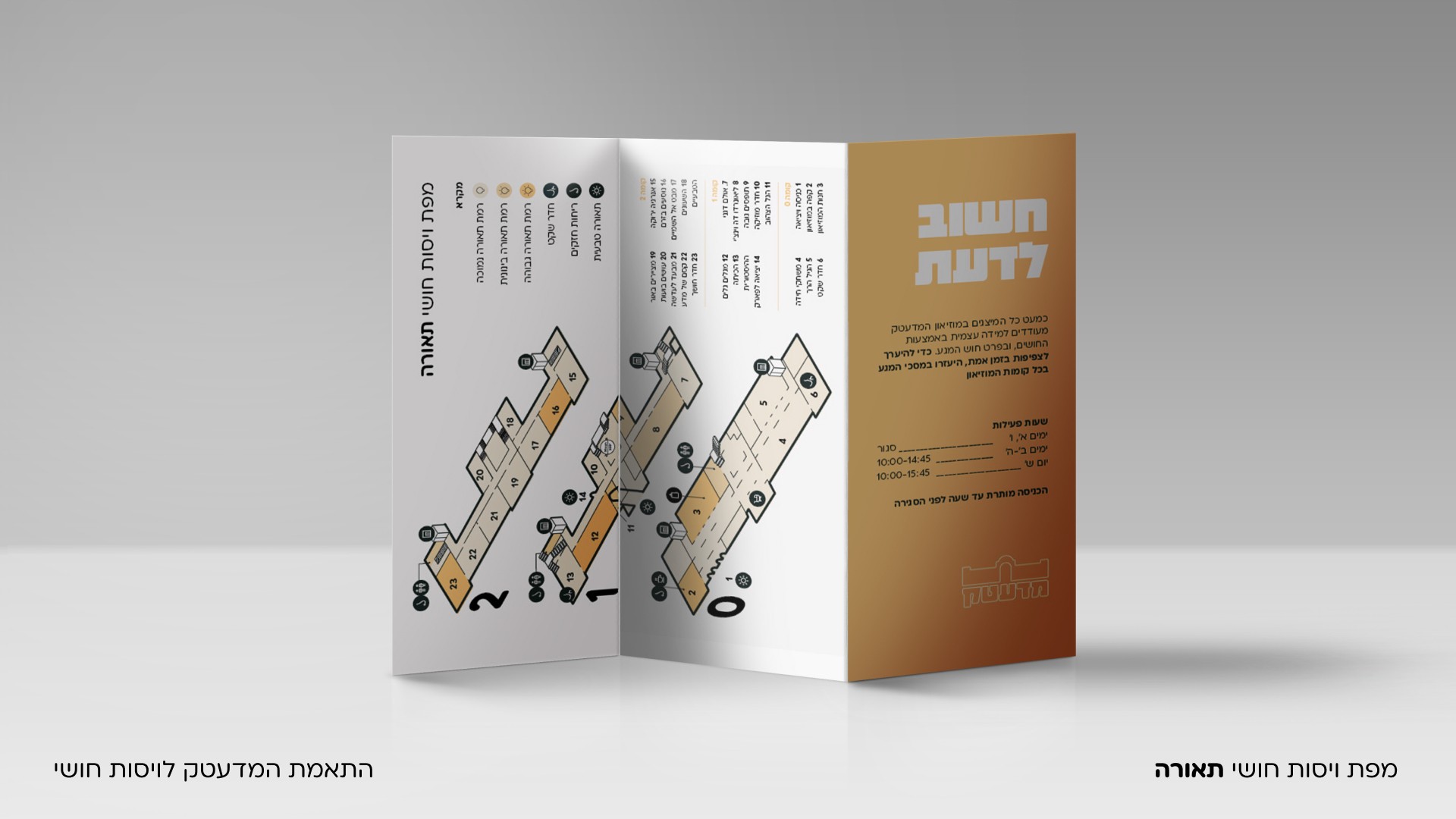
During my research, I found that the museum doesn’t provide quiet rooms, sensory-friendly events, or a sensory map, nor is any map available for download in advance. Additionally, sensory load varies significantly between exhibition spaces, and many areas lack proper signage, leaving visitors dependent on a physical map. These issues can lead to discomfort and distress for neurodivergent visitors or visitors sensory regulation challenges during their museum experience.
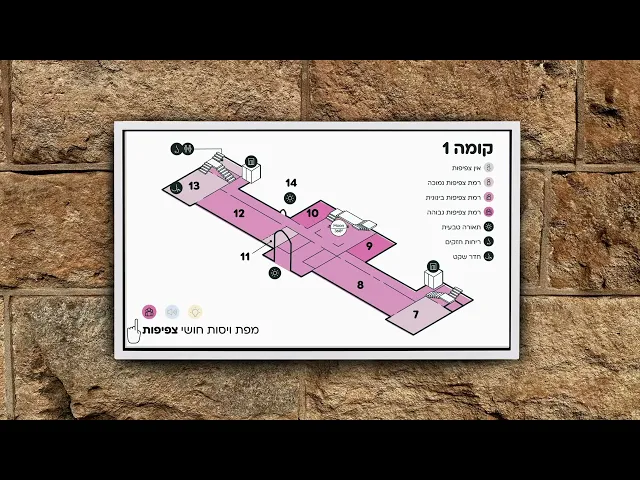
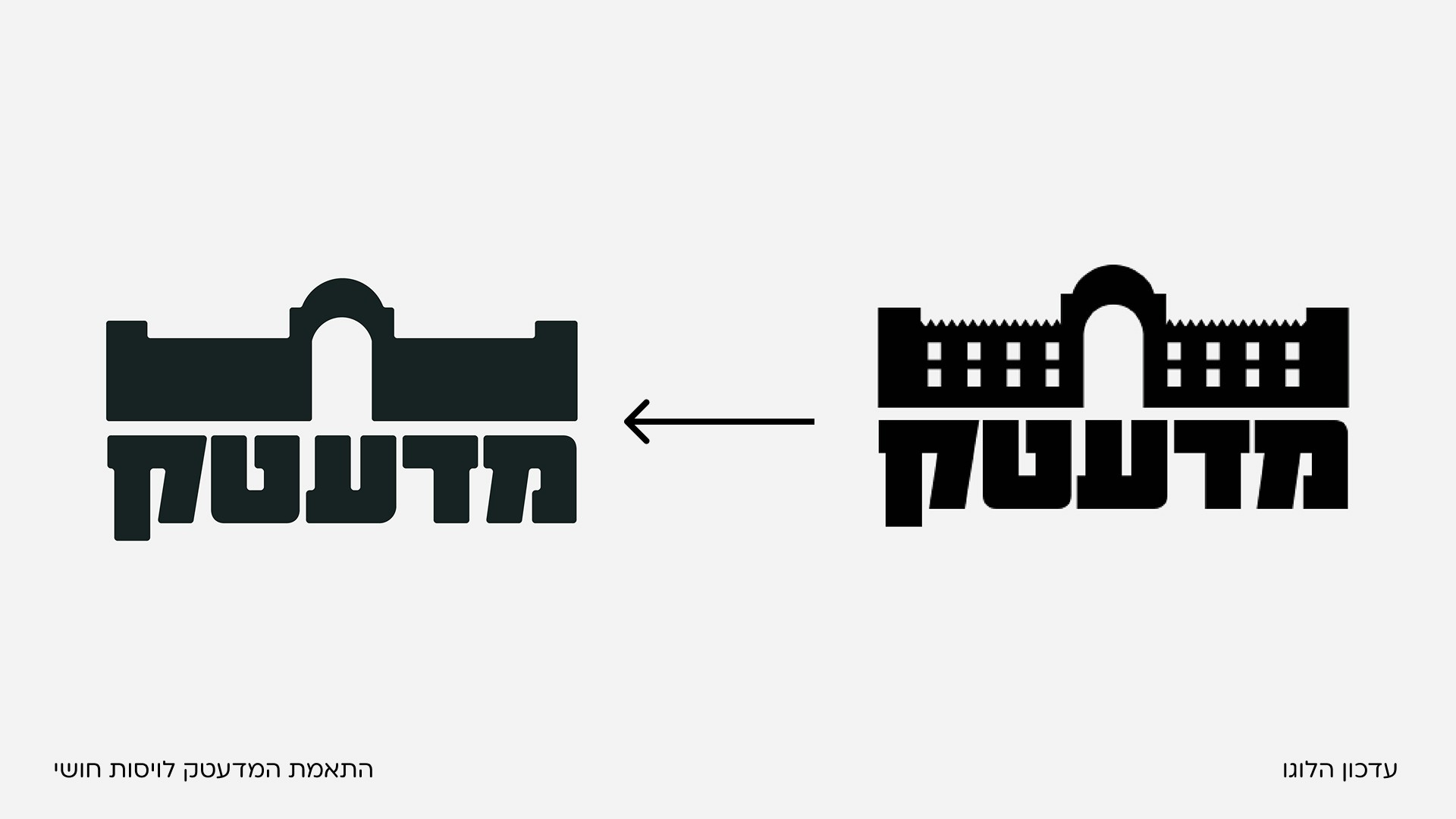
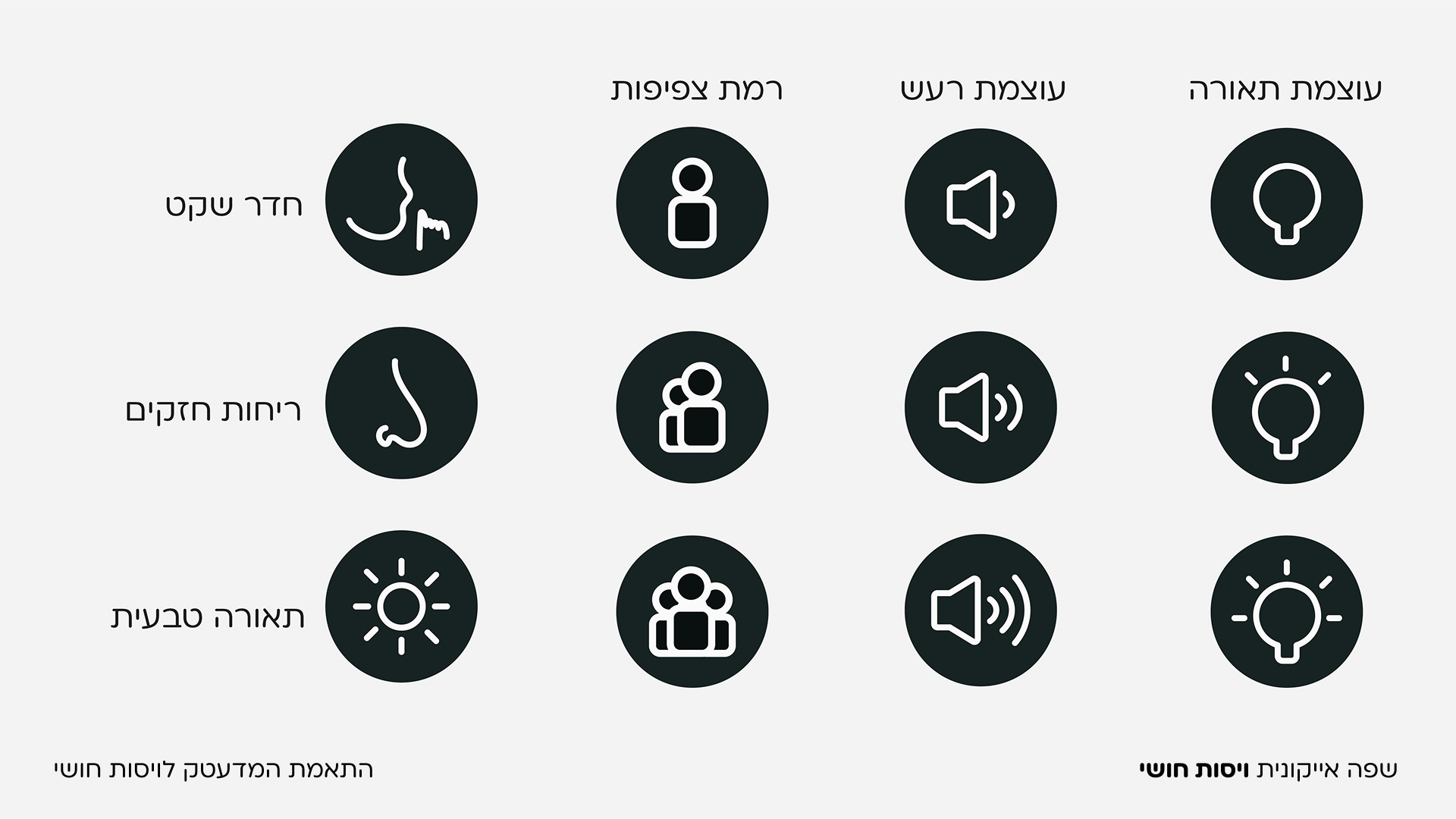
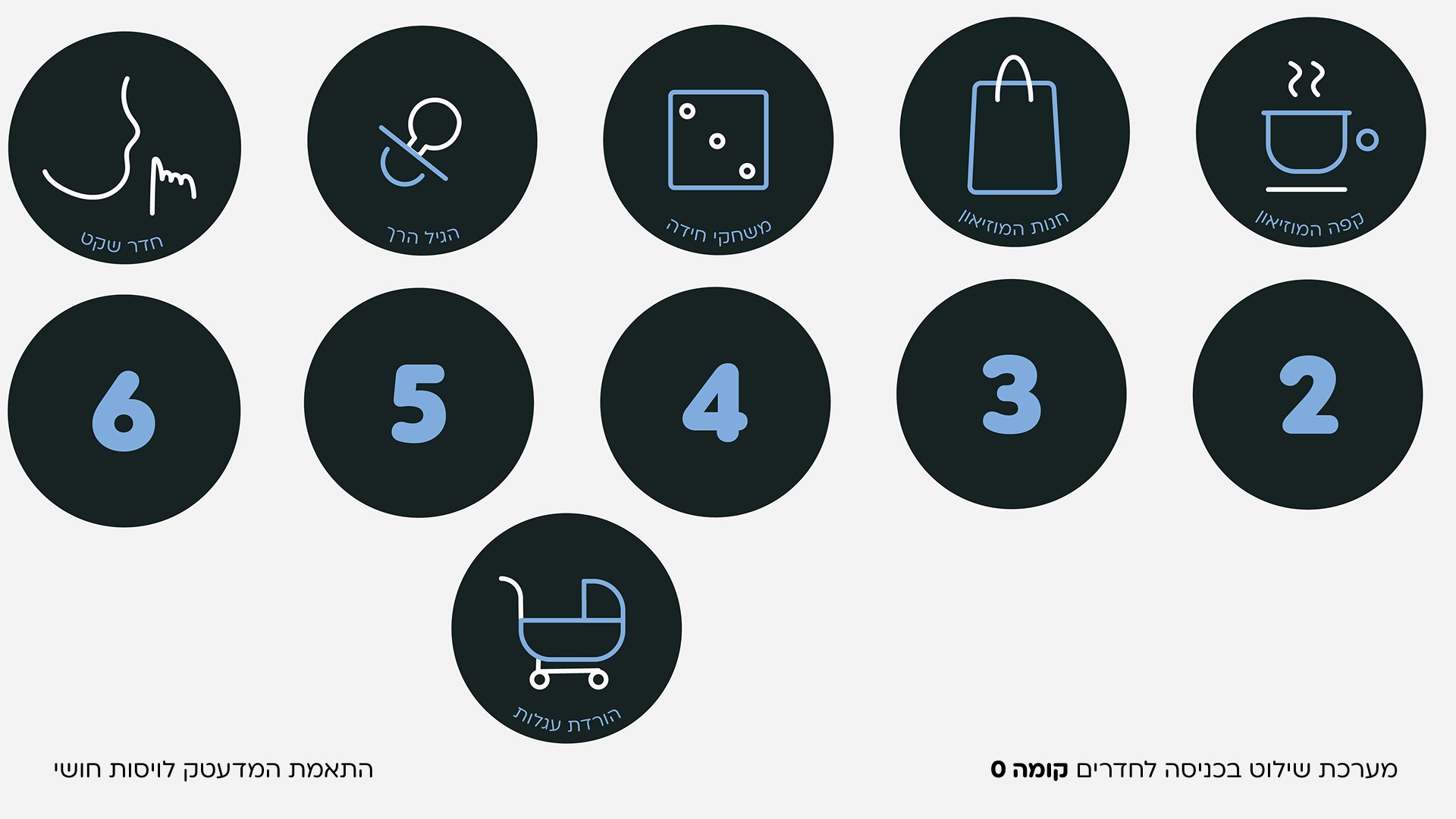
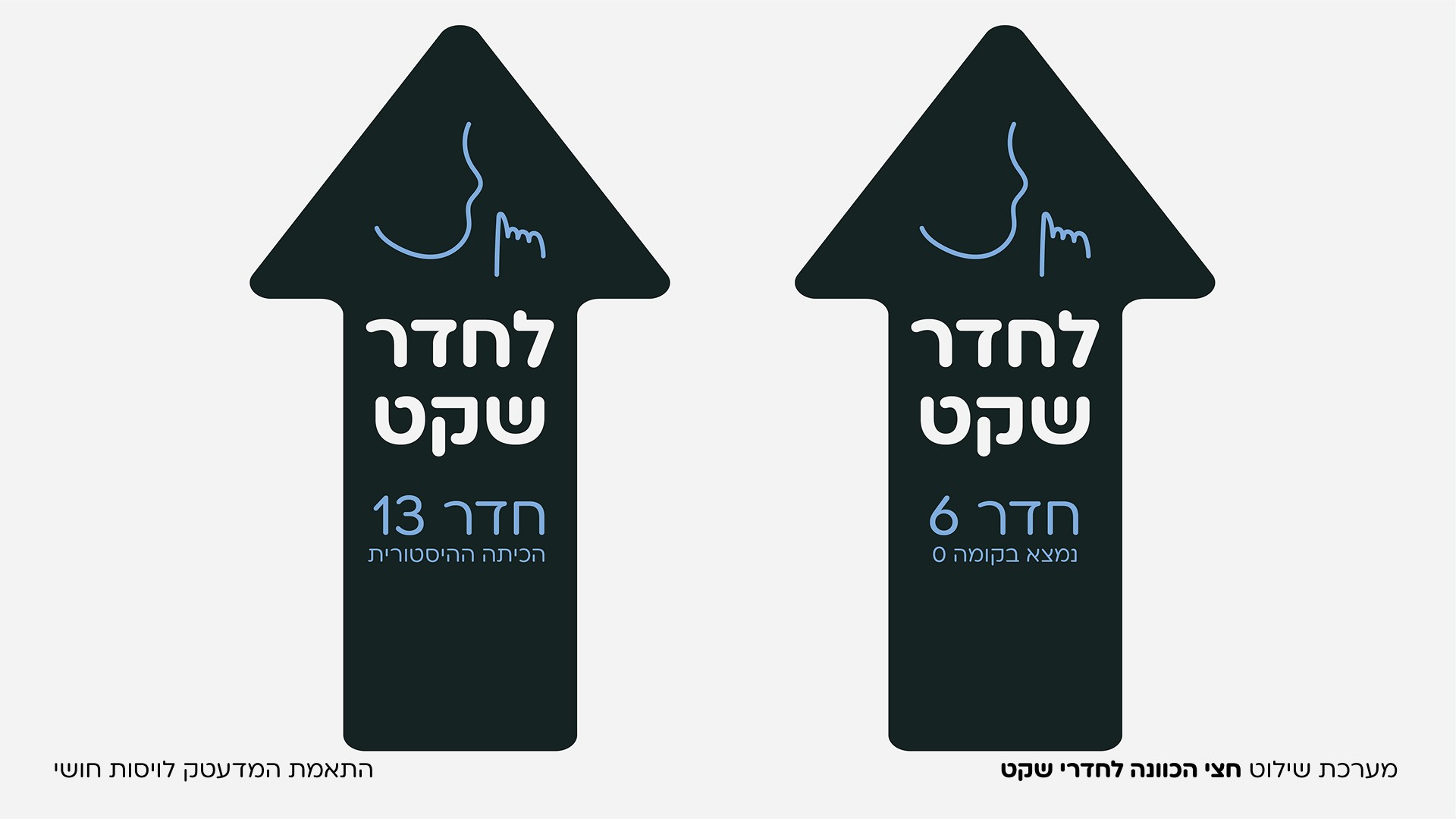
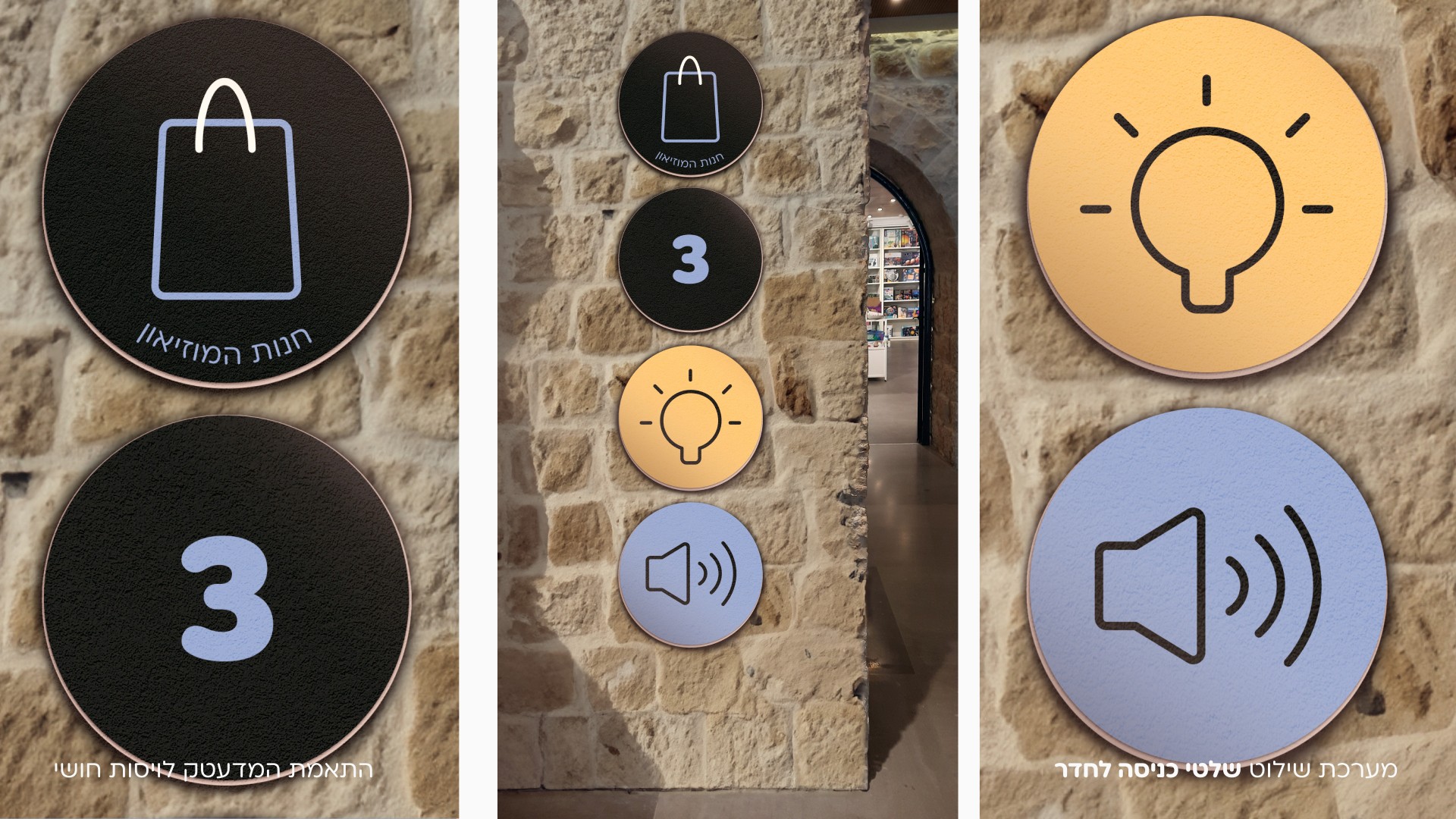
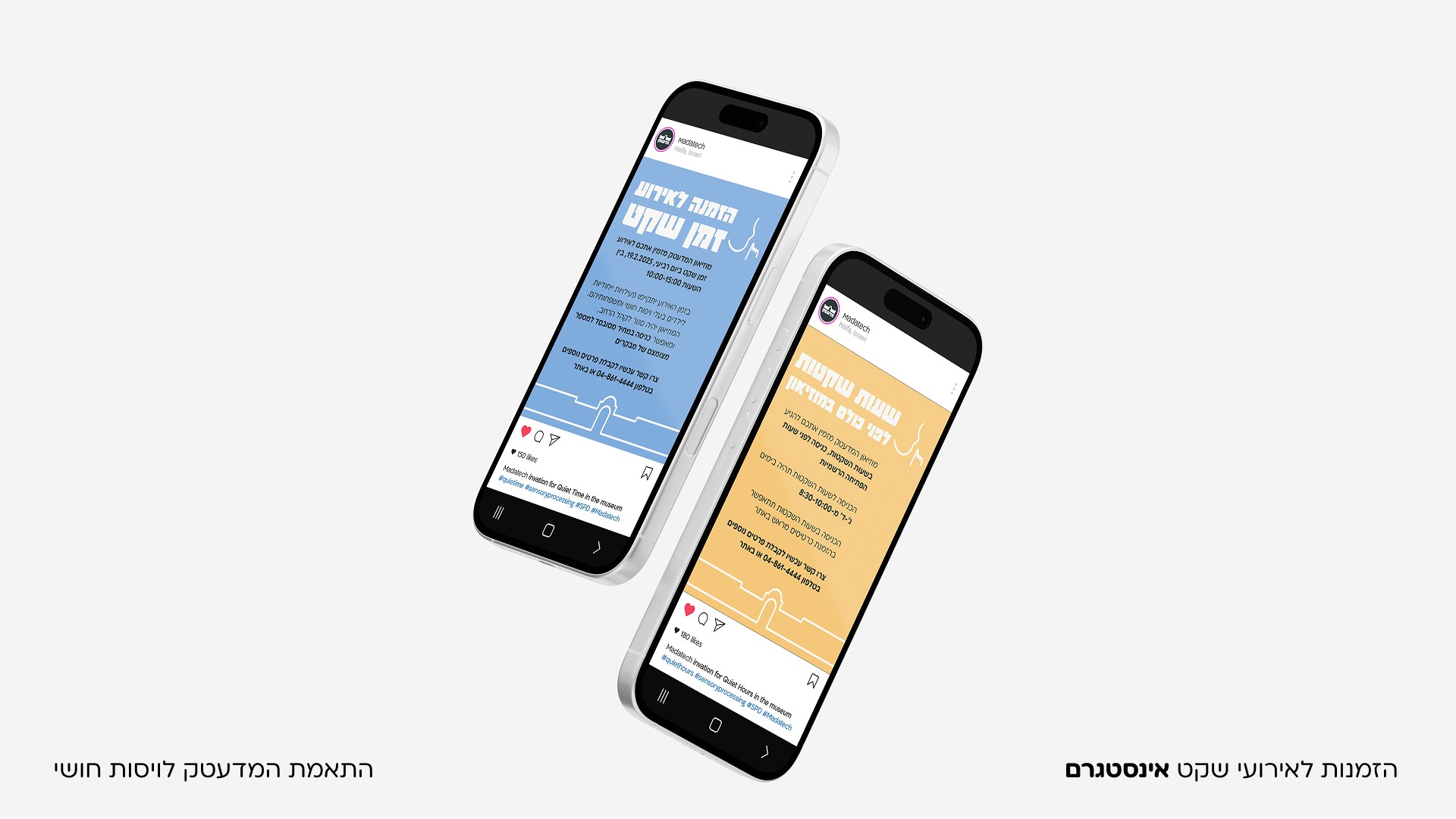
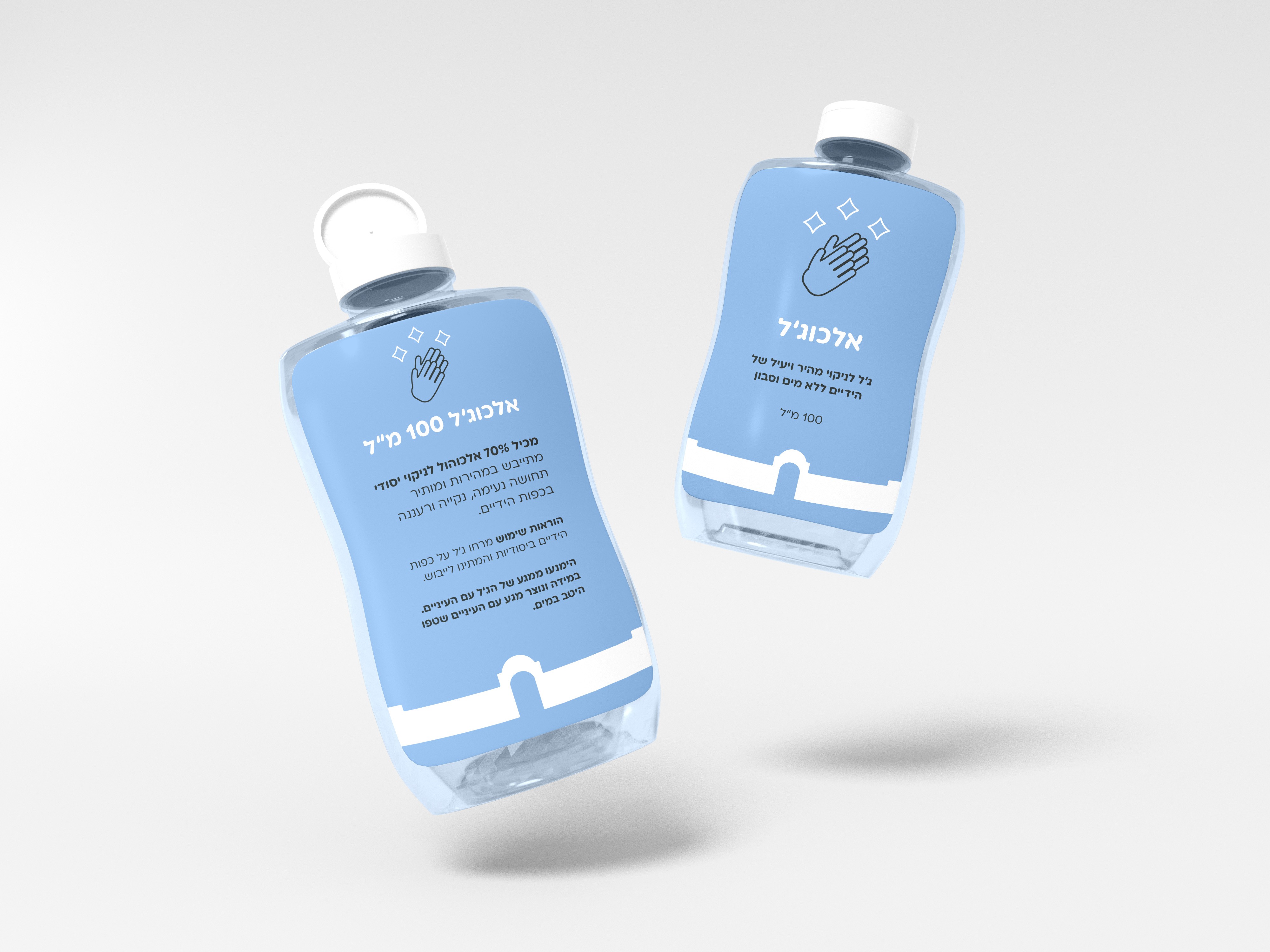
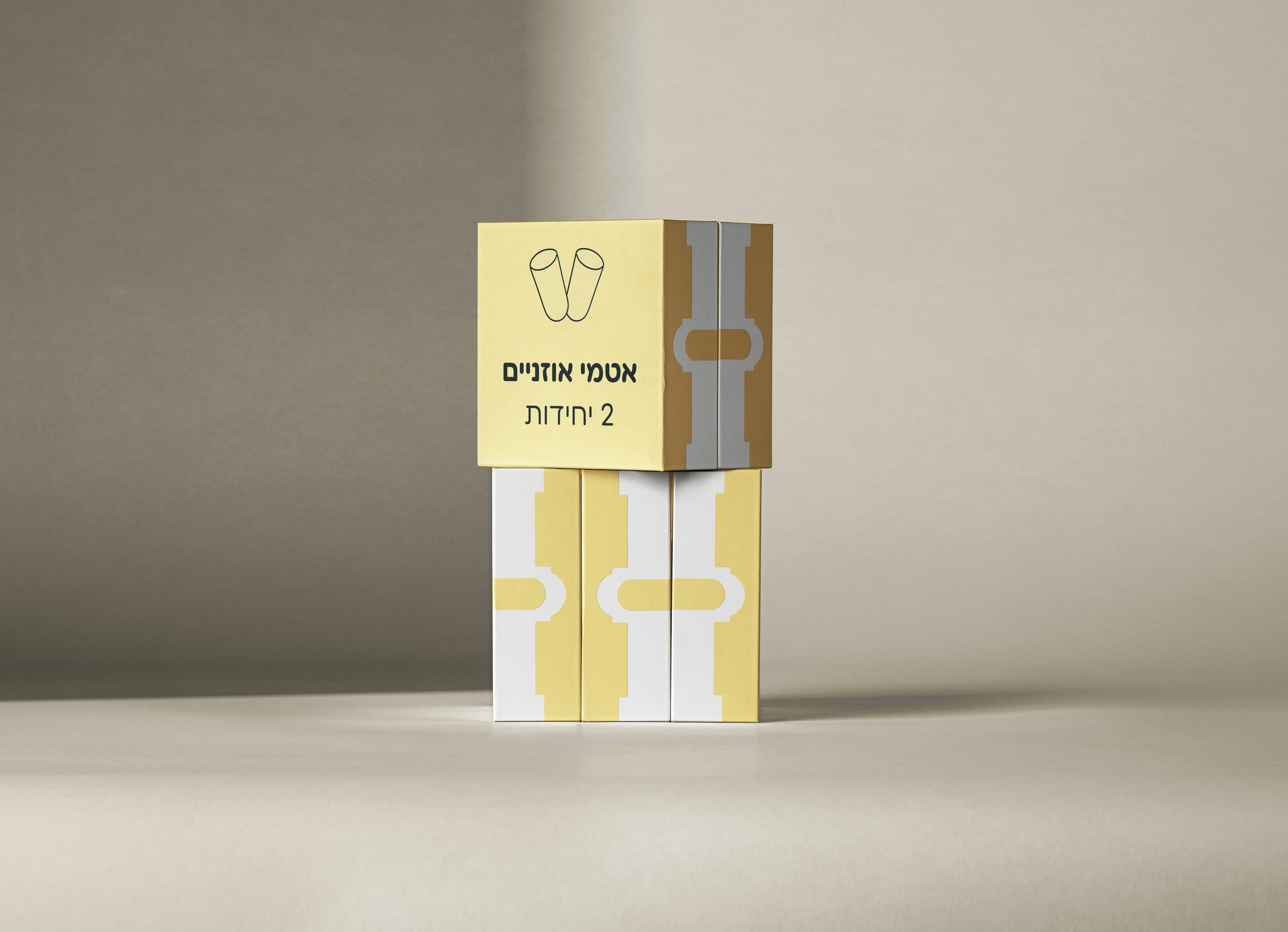
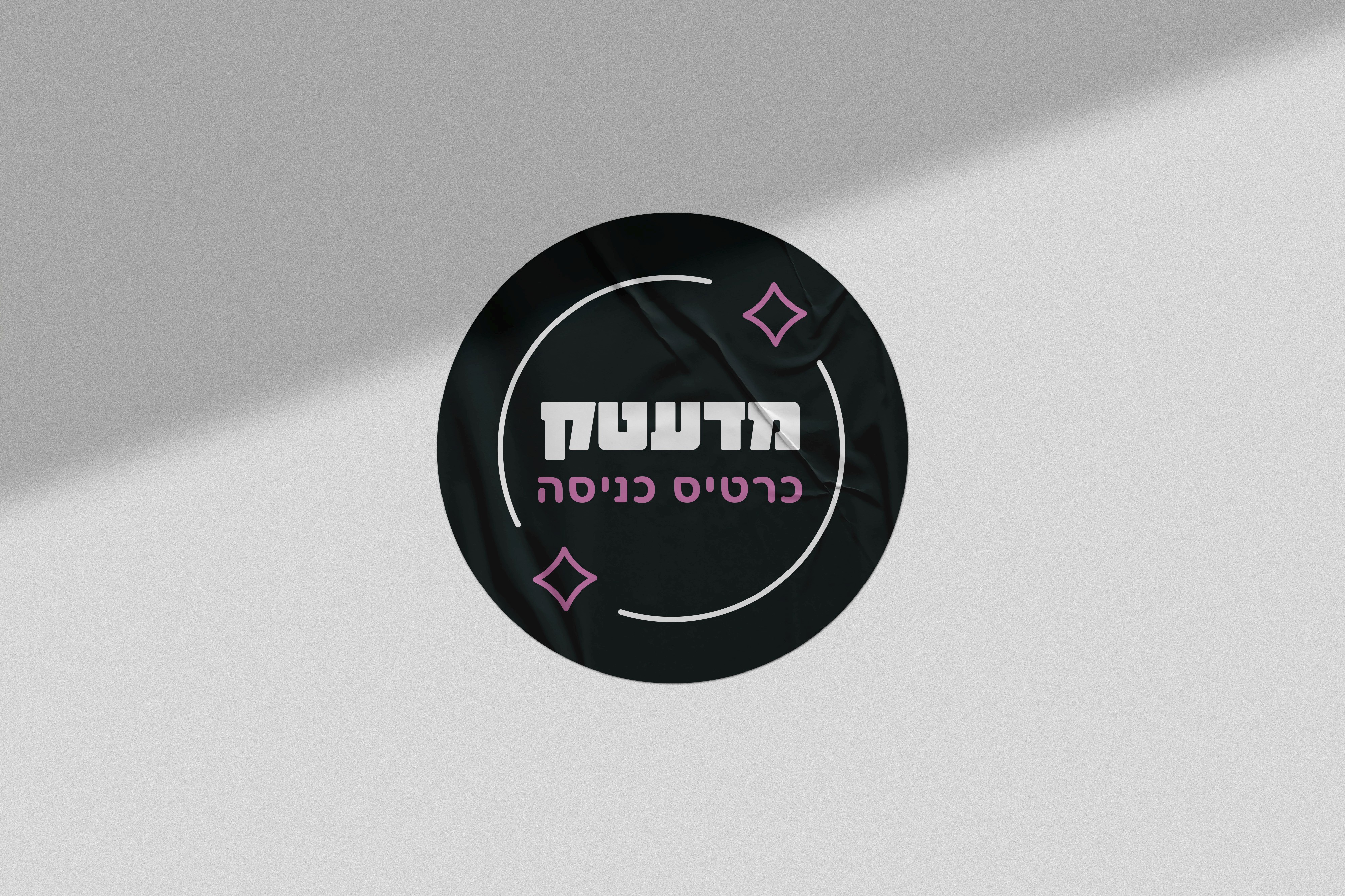
Based on this research and informed by accessibility needs within neurodivergent communities, I aimed to update Madatech’s branding while maintaining the essence of its existing visual identity. The goal was to create a broader, more inclusive design system that preserves curiosity and enjoyment while offering illustrated and accessible signage, a youthful yet non-overstimulating visual language, an interactive wayfinding system, and a visitor accessibility kit designed to support different sensory needs.
This project was developed through visual and textual research that explored the question: How can we improve accessibility in Israeli museums for individuals with sensory regulation disorders? Inspired by this inquiry and an initial review of successful solutions abroad, I chose to conduct a focused case study on the Madatech: Israel National Museum of Science in Haifa, one of the city’s oldest museums, yet not currently adapted for visitors with sensory regulation challenges, both children and adults.
During my research, I found that the museum doesn’t provide quiet rooms, sensory-friendly events, or a sensory map, nor is any map available for download in advance. Additionally, sensory load varies significantly between exhibition spaces, and many areas lack proper signage, leaving visitors dependent on a physical map. These issues can lead to discomfort and distress for neurodivergent visitors or visitors sensory regulation challenges during their museum experience.
Based on this research and informed by accessibility needs within neurodivergent communities, I aimed to update Madatech’s branding while maintaining the essence of its existing visual identity. The goal was to create a broader, more inclusive design system that preserves curiosity and enjoyment while offering illustrated and accessible signage, a youthful yet non-overstimulating visual language, an interactive wayfinding system, and a visitor accessibility kit designed to support different sensory needs.

NEXT PROJECT
NEXT PROJECT